Wireless Electric Tire Inflator Pump: Tire Care Guide
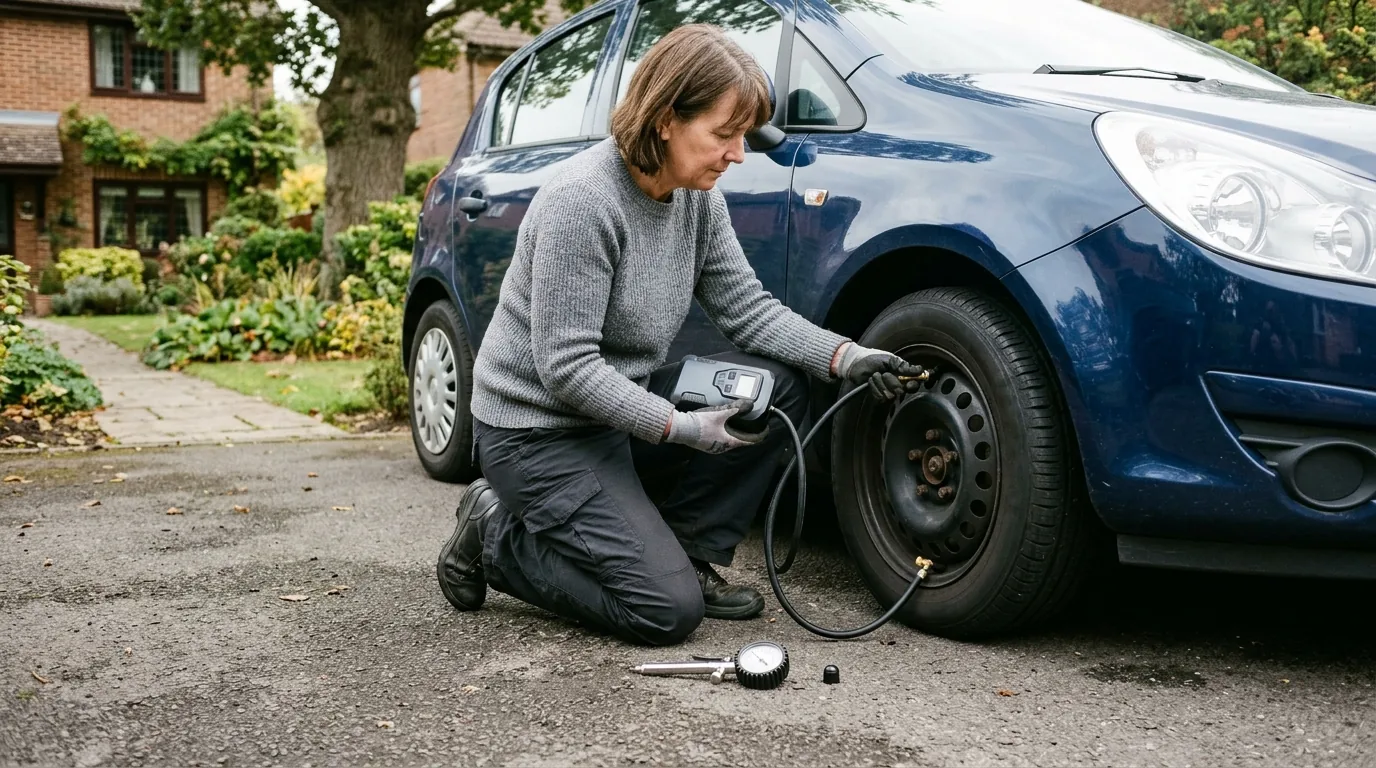
A wireless electric tire inflator pump can make routine tire-pressure care more convenient, whether you’re preparing for a road trip or responding to a low-pressure warning. Keeping an inflator accessible gives you a way to add air when needed, while a reliable gauge helps you confirm the result.
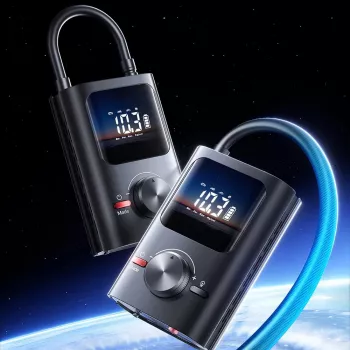
Our Wireless Electric Tire Inflator Pump is one option to consider for your vehicle-care kit. Before choosing any inflator, make sure its specifications match the tires and conditions you expect to encounter.
Why Tire Pressure Matters
Proper tire pressure supports predictable handling and helps tires wear more evenly. Underinflated tires can also increase rolling resistance, which may reduce fuel efficiency. Maintaining the recommended pressure is a simple part of caring for both your tires and your vehicle.
Use the pressure recommended by your vehicle manufacturer, usually shown on a placard inside the driver-side door or in the owner’s manual. Don’t use the maximum pressure molded into the tire sidewall as your routine target. That number is not necessarily the pressure recommended for your vehicle.
Check pressure when the tires are cold. Driving warms the air inside a tire and raises its pressure, so a reading taken immediately after a trip can be misleading. The National Highway Traffic Safety Administration’s tire safety guidance offers more information on tire care.
Where a Wireless Pump Fits Into Your Routine
An accessible inflator can be useful when a seasonal temperature change or a dashboard warning prompts you to check your tires. You can also keep it with your travel essentials so you’re prepared to address a low reading before a long drive.
Our Wireless Electric Tire Inflator Pump is in stock for $78.97, subject to change. Review the product details and operating instructions before purchasing to determine whether it meets your needs. Our team can help you confirm any specifications that are essential to your intended use.
An inflator works alongside, not in place of, regular inspection. If a tire repeatedly loses pressure, have it inspected and repaired by a qualified tire professional. Adding air does not fix a puncture, damaged sidewall, or leaking valve.
How to Use a Wireless Tire Pump
Start by finding the recommended cold-tire pressure for your vehicle. Front and rear tires may have different recommended pressures, so check the placard carefully. If you’ve recently driven, allow the tires to cool before measuring or adjusting pressure.
Remove the valve cap and follow the pump’s instructions to connect it to the tire valve. Operate the pump as directed, monitoring the pressure as you inflate. Stop at the recommended pressure, disconnect the pump, and replace the valve cap. Verify the final reading with a reliable tire-pressure gauge; if needed, adjust the pressure and check it again.
Follow the manufacturer’s instructions for operating, storing, and maintaining the pump. Keep the instructions where you can find them before you need to use it away from home.
A Simple Tire-Pressure Check
| Step | What to do |
|---|---|
| Find the target | Check the vehicle placard or owner’s manual. |
| Check cold tires | Measure pressure before driving or after the tires have cooled. |
| Inflate as needed | Follow the pump instructions and monitor the pressure. |
| Verify | Check the final pressure with a reliable gauge and replace the valve cap. |
Choosing an Inflator for Your Needs
Start with the pressure range your tires require, then confirm that the pump can work with their valves. Consider its power arrangements, too: you’ll want to know how it is powered and what preparation it needs before a trip. Read the operating instructions so you understand how to connect the pump and monitor pressure.
Think about where you’ll store the inflator and how easily you can reach it. A pump is most useful when it’s available before a low tire becomes a larger interruption. If a specification is missing from the product page and matters to your purchase, ask our team to confirm it.
If you’re also organizing your travel essentials, we offer a 100W USB Type C to USB C PD 4.0 Fast Charging Cable separately. Confirm your devices’ requirements before buying; don’t assume the cable is compatible with the inflator.
Keep Tire Care Simple
Check your tire pressure at least monthly and before long trips. Make a note of the recommended front and rear pressures, keep a reliable gauge handy, and inspect your tires for visible damage as part of your routine. The U.S. Department of Energy also explains how vehicle maintenance, including proper tire inflation, can affect fuel economy.
When you’re ready to choose an inflator, visit our Wireless Electric Tire Inflator Pump product page for current availability and purchase details. If you’re unsure whether it suits your tires, our team is here to help with the details you need.
FAQ
What is the best cordless tire inflator to buy?
Choose an inflator that meets your tires’ required pressure range and valve needs, and review its power arrangements and operating instructions. Our Wireless Electric Tire Inflator Pump is an option to consider once you’ve confirmed the specifications you need.
Are cordless tire inflators any good?
Cordless inflators can be convenient for topping up tires when you need air away from a service station. Their suitability depends on their verified specifications and your particular needs.
How to use a wireless tire pump?
Find your vehicle’s recommended cold-tire pressure, then connect and operate the pump according to its instructions while monitoring the pressure. Stop at the recommended pressure and verify the final reading with a reliable gauge.



Leave a comment